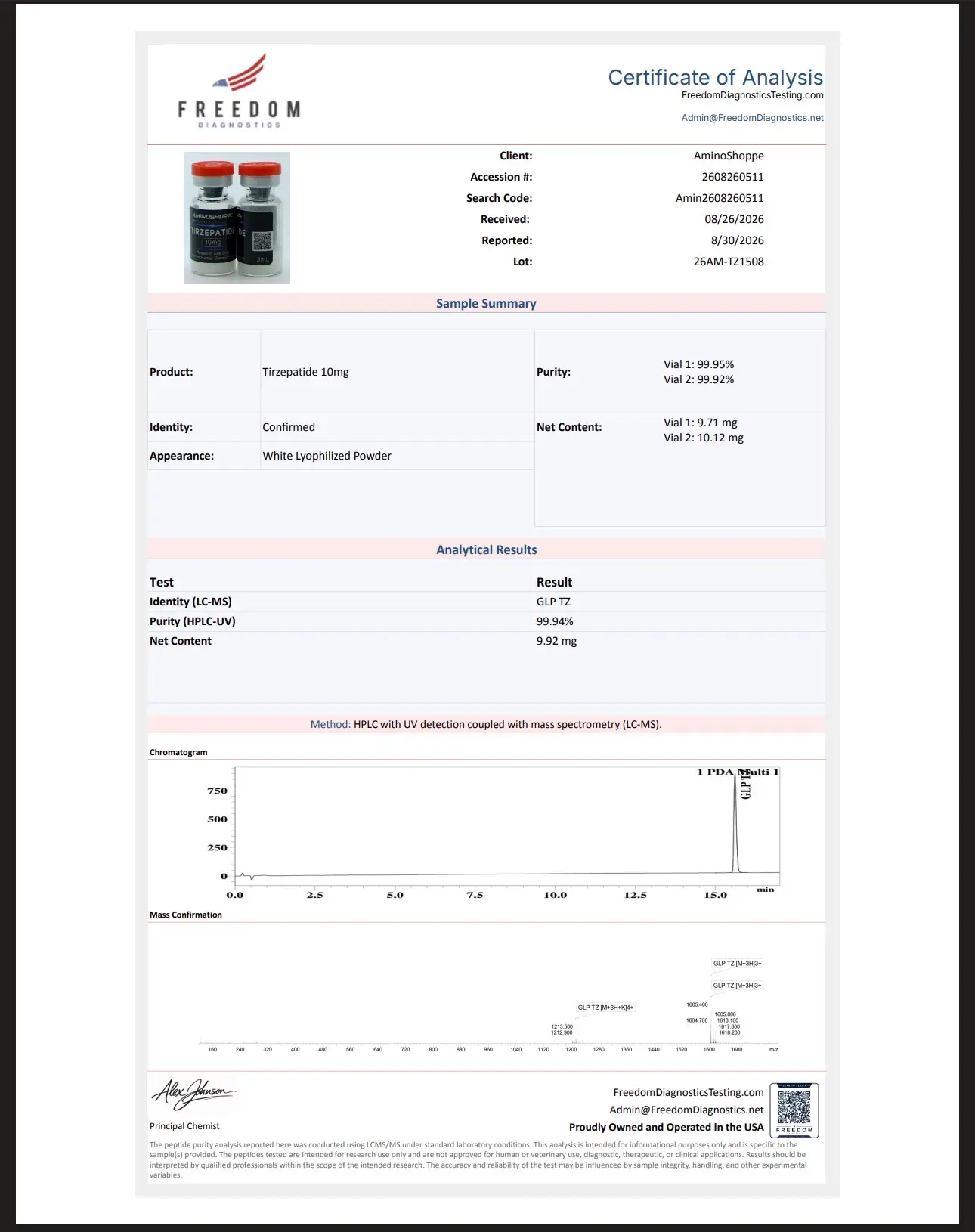
Reading Peptide HPLC Chromatograms Correctly
Learn reading peptide HPLC chromatograms with a practical review of retention time, peak shape, integration, purity claims, and COA limits for research.

Learn reading peptide HPLC chromatograms with a practical review of retention time, peak shape, integration, purity claims, and COA limits for research.

Use this guide to peptide compliance labeling to build clear research-use-only labels, document testing, and reduce avoidable handling and sales exposure.
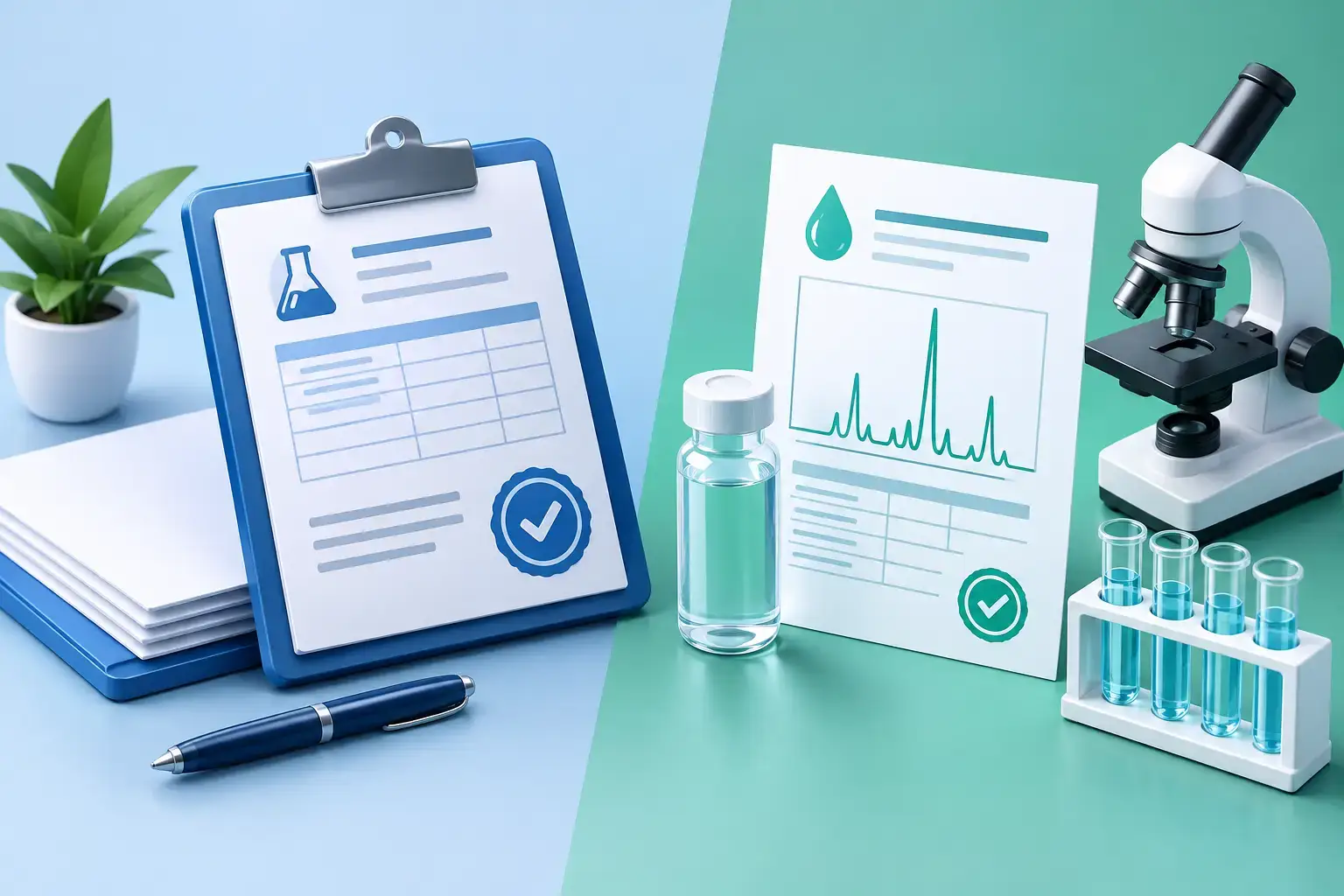
Compare COA documentation vs purity report for research materials. Learn what each record verifies, which data to review, and when to request more evidence.
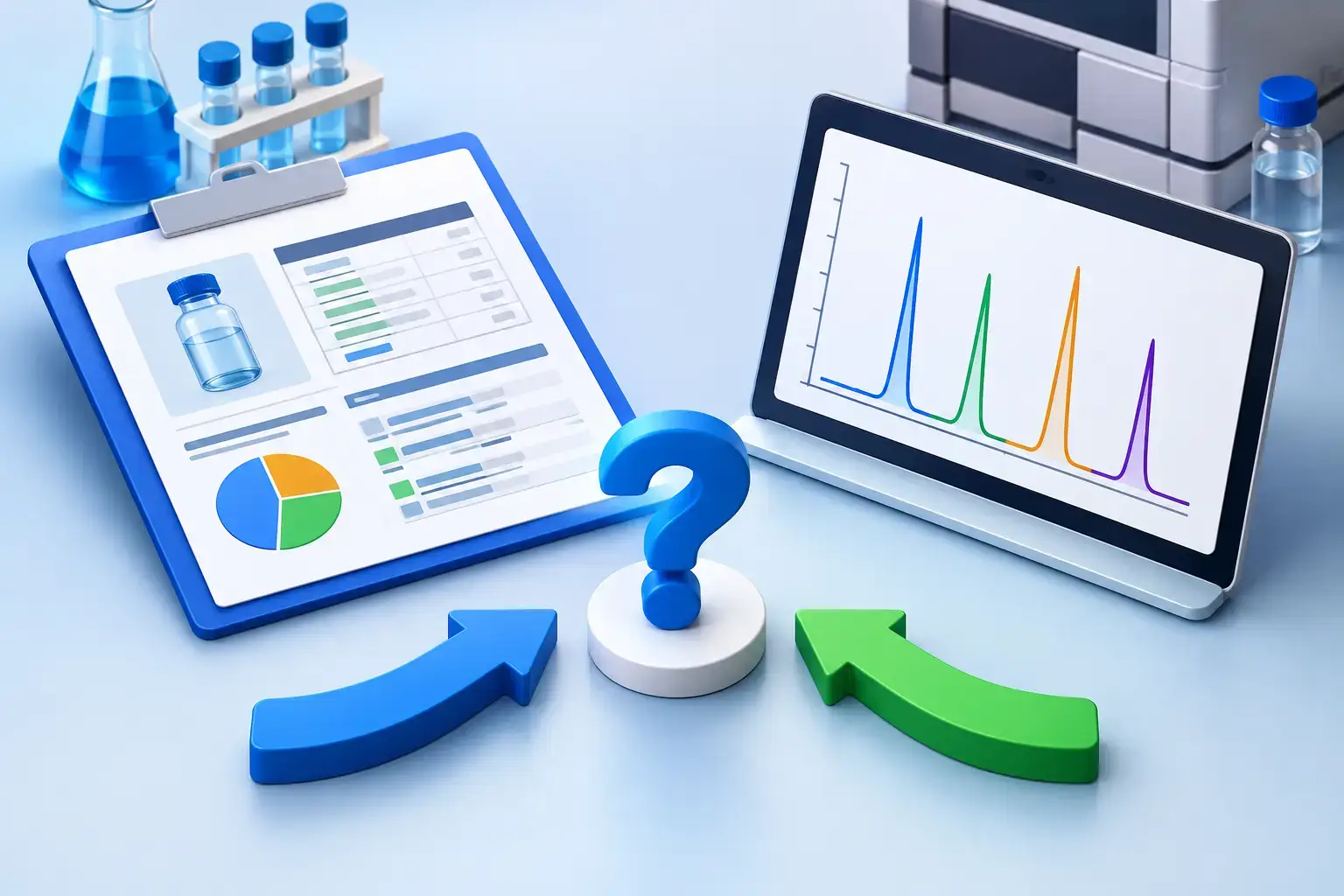
COA versus chromatogram data: learn what each quality document can confirm, what it cannot establish, and how buyers should review both before receipt.
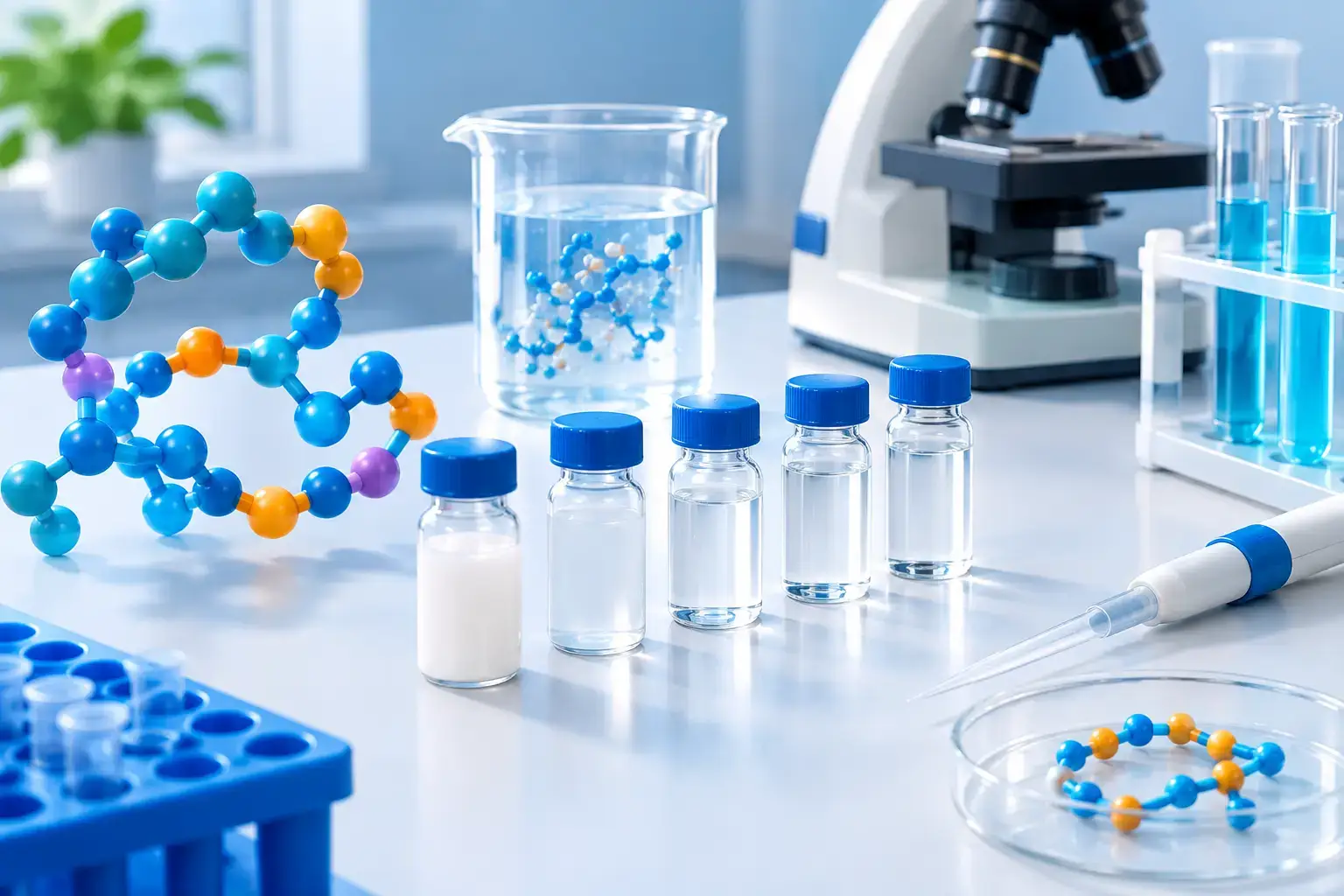
A guide to peptide solubility for research use: assess sequence, solvent compatibility, pH, concentration, and storage before preparing samples correctly.

Research peptide shipping policies define order review, processing, packaging, delivery expectations, and documentation for qualified U.S. research buyers.
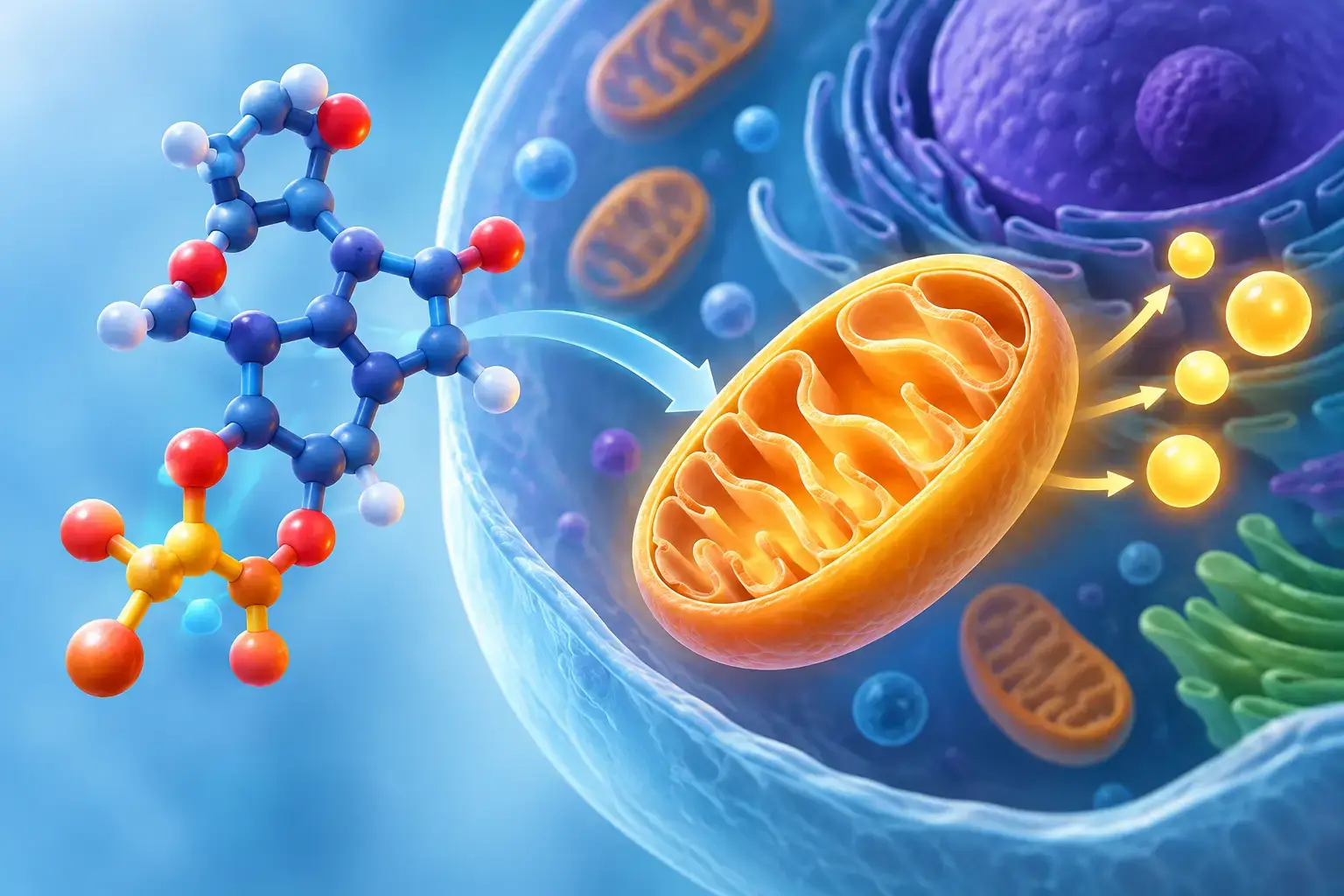
Review NAD plus research uses in cellular metabolism, redox signaling, DNA repair, aging models, and analytical assay design for laboratory work only.
Use this guide to peptide batch documentation to review COAs, lot records, identity data, and storage details before research-use materials are accepted.
Review the top signs of peptide quality for research use, from verifiable COAs and lot data to storage controls, packaging, and supplier documentation.
BPC 157 COA standards help research buyers assess identity, purity, method transparency, lot traceability, and documentation before ordering materials.