A research-material purchase is not complete when an order is placed. Laboratory compliance begins with confirming the intended use, reviewing available documentation, and establishing how the material will be received, stored, recorded, and restricted. For buyers sourcing specialized peptides, mitochondrial compounds, or related materials, those controls protect the research process and help maintain clear research-use-only boundaries.
Laboratory Compliance Begins Before Checkout
Compliance is often treated as a final review step. In a controlled research environment, it should be a purchasing requirement. The buyer should know what the material is being acquired for, who is authorized to receive it, and whether the laboratory or institution permits the planned work before submitting an order.
This matters especially for compounds with high public interest or names associated with therapeutic research. A product name, a published study, or a certificate of analysis does not establish that a material is approved for clinical, diagnostic, veterinary, dietary, or consumer use. Research-use-only materials must remain within the scope stated by the supplier and within the limits of the buyer’s applicable policies and regulations.
For independent researchers and small laboratory operators, the controls may be simpler than those used by a large institution. They should not be absent. A concise written procedure for purchasing, receipt, access, storage, and disposal creates accountability without adding unnecessary complexity.
Define Intended Use and Buyer Controls
The first control is a documented intended use. Before purchase, identify the research activity, the responsible party, the storage location, and the individuals who may access the material. If the project cannot be stated clearly as laboratory research, the purchase should be paused for review.
Research-use-only language is not a label to be copied into a file and ignored. It sets the operating boundary for the material. It means the buyer should not represent the product as a treatment, administer it to humans or animals, or transfer it to parties who may use it outside a research setting. Marketing claims, anecdotal reports, and compound popularity do not change that boundary.
Buyer qualification also matters. An adult purchaser may be the person placing an order, but that does not automatically make them the appropriate end user or laboratory contact. Where an organization has procurement, safety, or principal investigator approval requirements, use those channels. Where no formal system exists, designate a responsible researcher and retain the purchase record under that person’s control.
Keep the Use Statement Specific
A useful use statement is brief and factual. It should identify the material by name, catalog or lot reference when available, and the non-clinical research purpose. Avoid broad descriptions such as “personal research” when a more specific laboratory purpose can be recorded.
Specificity improves traceability if questions arise later. It also makes it easier to determine whether a requested material, quantity, or storage condition is appropriate for the planned work.
Build a Documentation File for Every Material
Documentation is a quality and compliance control, not a substitute for laboratory judgment. For research materials, the most relevant records usually include product identification, lot information, supplier-provided testing documentation, order confirmation, and receipt details.
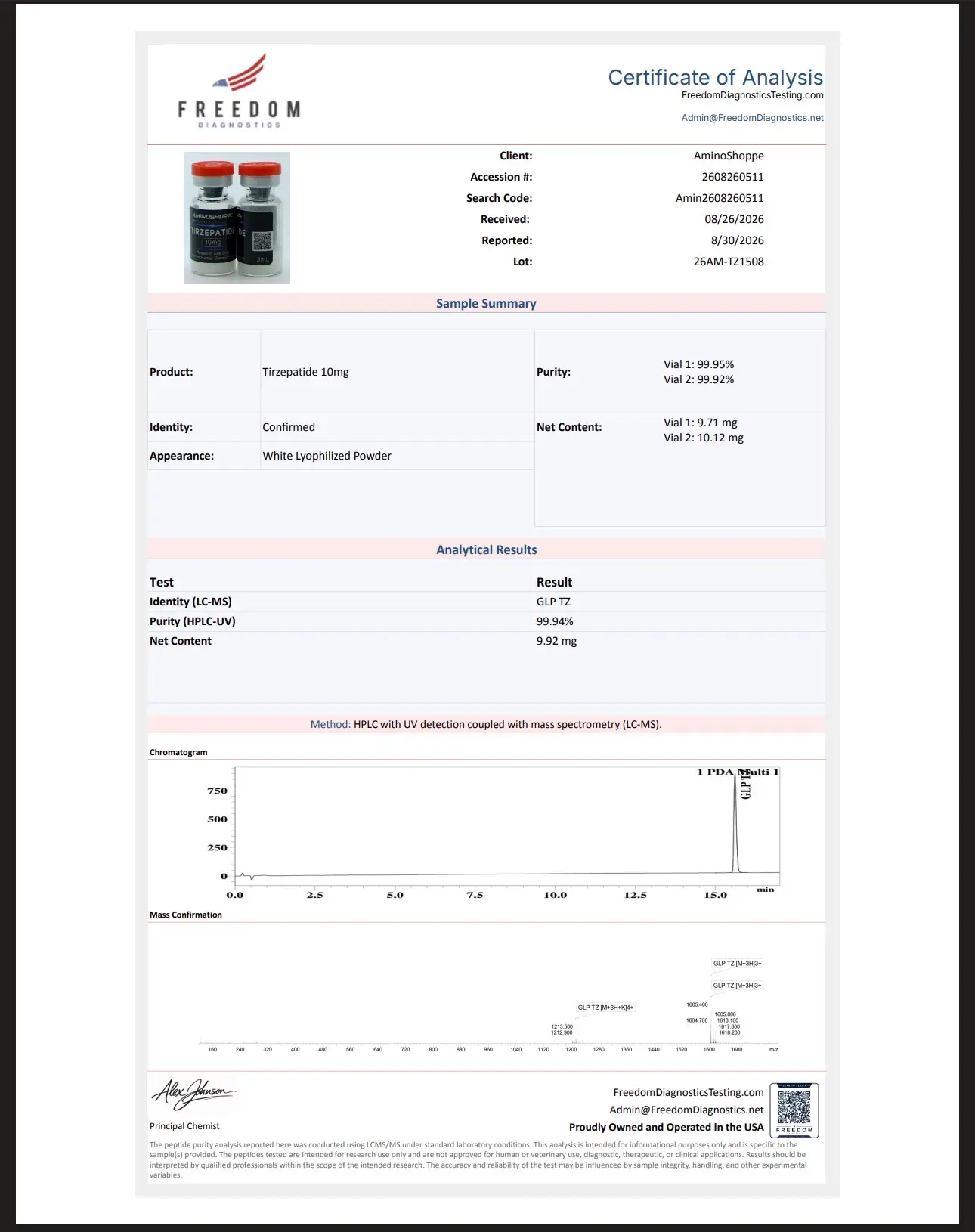
A certificate of analysis can provide useful information about a particular lot, such as reported identity, purity, analytical method, or test date. Its value depends on whether it can be connected to the material actually received. Review that the lot number, product name, and reported specifications are consistent with the order and container labeling. If a document is missing, unclear, or does not correspond to the received material, hold the item aside until the discrepancy is resolved.
A certificate of analysis should also be interpreted within its limits. It does not establish suitability for a specific protocol, validate handling after delivery, or authorize any use outside laboratory research. Depending on the project, a laboratory may need additional identity confirmation, concentration verification, contamination screening, or stability assessment after receipt.
For each purchase, retain at least the following records:
- Purchase confirmation, invoice, and date received
- Product name, quantity, lot number, and container label details
- Certificate of analysis or other supplier-provided test documentation
- Storage requirements and the assigned storage location
- Name of the responsible researcher and any internal inventory reference
Electronic records are generally practical, provided they are organized, backed up, and retrievable. A file name that includes the material name, lot number, and receipt date can prevent confusion when multiple lots are in use.
Control Receipt, Storage, and Access
The point of delivery is where traceability can break down. Materials should be received by an authorized person whenever possible, inspected promptly, and moved to their specified storage condition without avoidable delay. Record visible package damage, temperature concerns, missing labels, or quantity discrepancies before the material enters active inventory.
Storage requirements depend on the material and the supplier’s instructions. Some compounds may require frozen storage, moisture protection, light control, or limited freeze-thaw exposure. The correct control is not simply choosing the coldest available location. It is following the documented storage requirement and maintaining a system that prevents mix-ups, unauthorized access, and unlabeled secondary containers.
For materials that are reconstituted or transferred, create a secondary label that preserves the essential traceability information: material name, concentration if applicable, solvent or diluent, preparation date, preparer, lot reference, and storage condition. Bacteriostatic water, for example, should be handled according to its labeling and the laboratory’s established procedures. It should not be treated as a general endorsement of any particular experimental preparation or use.
Access controls should match the material and setting. A shared laboratory may use a designated cabinet, inventory log, or restricted freezer box. A smaller research operation may rely on a locked storage area and a single accountable custodian. The method can vary, but the record should show who controlled the material and where it was kept.
Evaluate Supplier Information Without Overrelying on It
A supplier’s compliance language, age-gated access, research-use-only statements, and lot-level testing documentation are meaningful purchasing signals. They indicate that the seller is presenting the material within a defined research framework rather than as a consumer product. AMINOSHOPPE, for example, positions specialized compounds with laboratory-use restrictions and available testing documentation.
Still, supplier information is only one part of the buyer’s review. A purchaser should verify that product labeling is legible, documentation is associated with the received lot, and the offered format fits the laboratory’s protocol. A lower price or a more convenient package size may not be the best choice if it increases the risk of excess inventory, uncertain storage history, or poor traceability.
The appropriate level of supplier review depends on the project. Early-stage, non-critical exploratory work may require a straightforward document check and internal receipt inspection. Work that supports formal reporting, institutional review, publication, or regulated development may require more extensive supplier qualification, independent confirmation, and controlled chain-of-custody procedures.
Manage Deviations Before They Become Routine
Not every discrepancy requires disposal or a full investigation. A minor documentation issue may be corrected by obtaining the right record from the supplier. A damaged package, mismatched lot number, unexplained storage excursion, or unclear label should be treated more cautiously.
When a deviation occurs, isolate the material from active use, document what was observed, and determine whether the material can be accepted under the laboratory’s procedures. Do not normalize workarounds such as relabeling an unknown container from memory or using a material while waiting for key documentation. Those shortcuts undermine the record trail that laboratory compliance is meant to preserve.
Disposition should also be documented. When a material is consumed, expires, is rejected, or is disposed of, update the inventory record. Follow applicable local requirements and the laboratory’s waste procedures for the specific material and any associated solvents, reagents, or packaging.
A controlled purchase process does not need to be burdensome. It needs to be deliberate: verify the intended research use, retain lot-linked documentation, protect storage and access, and stop when the record no longer supports confidence in the material. That discipline keeps research materials within their stated boundaries and gives every future decision a defensible starting point.
Related Posts

Peptide Quality Control for Research Materials
A vial label and a stated purity percentage do not,…

How to Check Lab Test Certificates Before Buying
A certificate of analysis should let a research buyer connect…

How to Verify Peptide Purity Before Research
A peptide labeled 99% pure may be appropriate for one…