A label that says peptide does not place a product in the same category as a dietary supplement. In the research peptides vs supplements discussion, the distinction is not marketing language. It is a matter of intended use, regulatory positioning, documentation, and procurement standards. For laboratories, independent researchers, and technically informed buyers, that difference affects how materials are evaluated, stored, documented, and sourced.
Confusion usually starts when similar terms appear across very different markets. A consumer may see amino acids, collagen peptides, protein blends, or wellness formulas sold as supplements, then assume a named peptide compound belongs in the same commercial class. That assumption is not accurate. A research-use-only peptide is not a dietary supplement, and a dietary supplement is not a substitute for a characterized research compound.
Research peptides vs supplements: the core difference
The clearest distinction is intended use. Research peptides are supplied for laboratory research and analytical work. They are not sold for human or animal consumption. Their product presentation, handling language, and compliance framework reflect that status. In contrast, supplements are formulated and marketed for ingestion under the dietary supplement category, with consumer-facing labeling and a very different regulatory path.
Composition is also different. A research peptide is typically identified by a specific sequence or compound name, often tied to a narrow research interest. Buyers are looking for a defined material rather than a broad nutritional formula. Supplements, by comparison, commonly combine multiple ingredients, flavors, excipients, fillers, capsules, or delivery systems to support retail use and routine consumer purchasing.
That difference matters because precision expectations are different. A research buyer may need lot-specific documentation, purity data, or analytical verification. A supplement buyer may care more about serving size, ingredient panel format, taste, convenience, and general consumer branding.
Why the categories should not be blended
When a seller blurs the line between research compounds and supplements, it creates avoidable risk. Misclassification can lead to improper expectations around use, storage, labeling, and quality review. For any serious buyer, the first question is not whether two products appear chemically related. The first question is how the material is categorized, documented, and offered.
A supplement is generally packaged for ordinary retail handling. A research peptide is typically purchased with closer attention to storage conditions, reconstitution context where applicable, batch traceability, and supporting test documentation. If those controls are absent, the buyer has less basis for assessing consistency.
This is why procurement-minded customers tend to look past broad claims and focus on verifiable details. Product naming conventions, certificates of analysis, lab testing references, and explicit research-use-only statements are not cosmetic. They are part of the product’s commercial identity.
Labeling standards are not interchangeable
Supplement labels are designed for consumer readability and compliance within the dietary category. Research materials are identified differently. The naming structure is usually more technical, and the supplier’s language is expected to define clear use boundaries. If a product is presented with lifestyle claims, casual wellness positioning, or ambiguous intended use, that should prompt closer review.
For technical buyers, clear boundaries are usually a positive signal. Straight compliance language often indicates a seller understands the category it operates in and is not trying to collapse distinct markets into one sales pitch.
How quality evaluation differs
In research peptides vs supplements, quality control is one of the most practical separation points. Both categories may reference testing, but the buyer’s standards and the relevance of that testing are not the same.
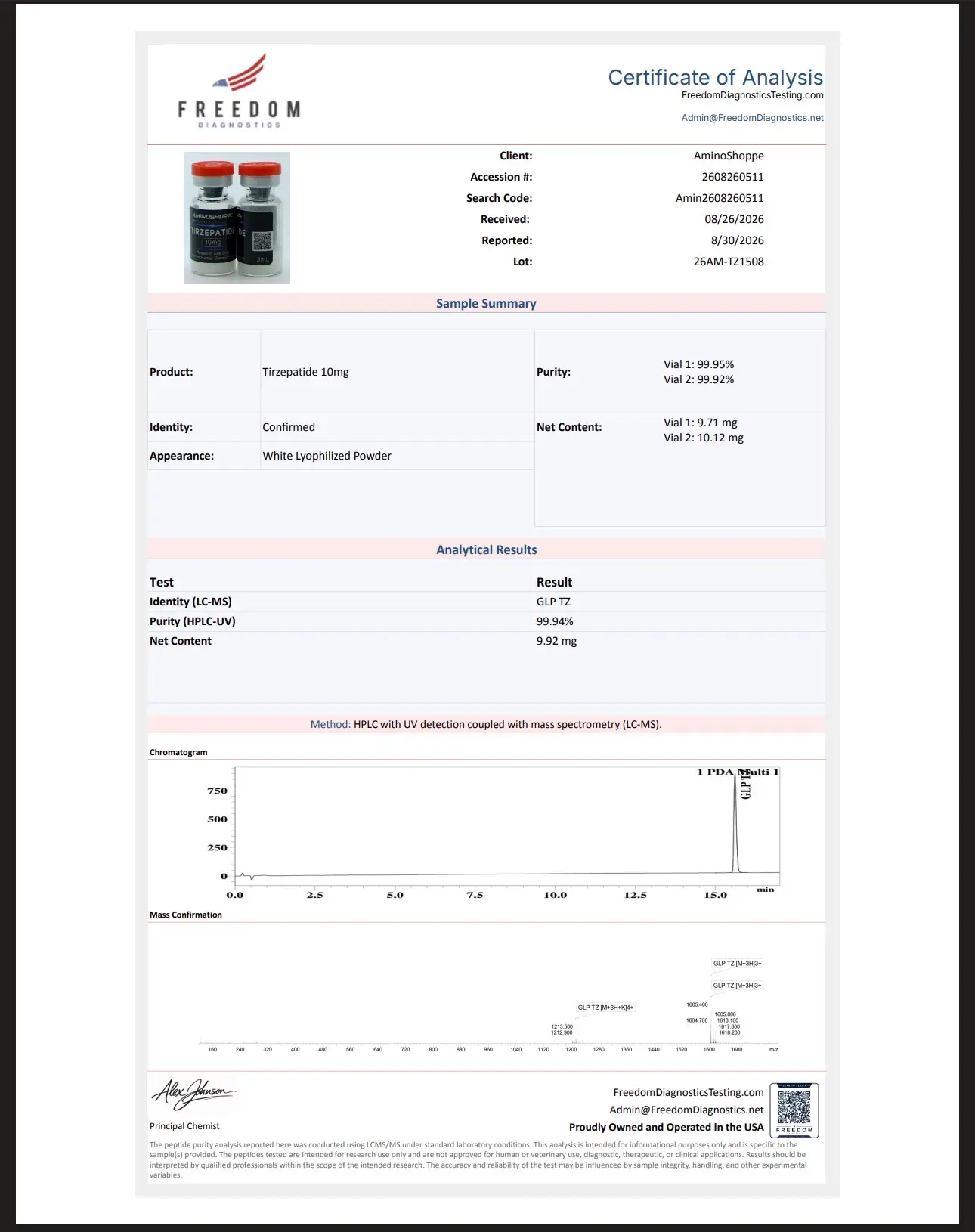
With research peptides, the buyer commonly wants evidence tied to the specific material and lot. That can include purity verification, identity confirmation, or other analytical data presented through a certificate of analysis or related quality documentation. The point is not simply that testing occurred. The point is whether the testing is specific enough to support purchasing decisions in a research context.
For supplements, quality review often centers on consumer safety practices, manufacturing standards, and label accuracy across a commercial retail product. Those are valid concerns, but they do not replace the need for research-focused documentation when the material is being acquired for laboratory purposes.
A technical buyer should therefore ask a narrower question: does the supplier provide documentation that fits the category of the product being sold? If the answer is vague, the product may not be positioned with sufficient discipline.
Documentation and sourcing expectations
Research buyers usually do not assess a peptide supplier the same way they assess a supplement brand. They tend to examine whether the seller uses precise product naming, publishes or provides test references, and maintains consistent compliance language across listings and policies. The supplier’s operational seriousness matters.
This is where sourcing standards become more visible. A research supplier should be able to signal how quality is verified and how the product is framed within lawful sale conditions. U.S. lab testing references, certificates of analysis, and explicit age or use restrictions help establish that framework. They do not eliminate all buyer responsibility, but they provide a basis for informed procurement.
Supplement brands often optimize for broader market appeal. Research suppliers should not. Their value is usually found in narrower strengths: compound specificity, documentation, consistency, and category clarity.
Product breadth does not equal product suitability
A large catalog can look impressive, but range alone is not a quality metric. In the research space, suitability depends on whether each compound is presented with enough technical and compliance context to support a legitimate purchase decision. A smaller but better-documented catalog can be more credible than a broad assortment with weak verification.
That is especially true for buyers sourcing specialized materials such as peptide compounds, mitochondrial compounds, or related laboratory-use items. In those cases, the procurement process should center on traceability and product-specific information rather than retail-style convenience claims.
Practical buying considerations for research users
A buyer comparing research peptides to supplements should start by identifying the intended application environment. If the material is being sourced for laboratory research, a supplement listing is the wrong framework. The product category should match the use case from the beginning.
Next, review the product presentation. Is the compound identified with technical precision, or is it wrapped in broad consumer language? Are there references to lab testing or certificates of analysis? Does the supplier clearly state that materials are for research use only and not for human or animal consumption? These details help separate disciplined suppliers from generic resellers.
Storage and handling expectations also differ. Research materials may require more controlled handling and closer attention to product condition upon receipt. A supplement buyer may not think in those terms, but a research purchaser typically should.
Price is another area where context matters. Low pricing by itself is not a meaningful signal if documentation, consistency, and sourcing controls are weak. For specialized research compounds, apparent savings can disappear quickly if the product lacks adequate verification.
Where buyers get tripped up
Many purchasing mistakes happen because the word peptide is treated as the whole story. It is not. The commercial category around that word matters just as much. Collagen peptides in a flavored tub, amino acid blends in capsules, and sequence-specific research compounds do not belong in the same decision framework simply because peptide appears in the product language.
Another common issue is assuming that consumer familiarity equals research suitability. A product may be widely marketed and still be irrelevant for technical procurement. Research buyers generally need narrower standards, not broader branding.
There is also a credibility issue. Suppliers that rely heavily on hype, body-composition claims, or loosely defined wellness messaging may not align with the expectations of laboratory or independent research buyers. In this category, restraint can be a stronger signal than promotion.
Choosing a supplier with the right posture
For buyers operating in laboratory, academic, private, or independent research settings, the better comparison is not which product sounds more advanced. It is which supplier maintains category discipline. A supplier such as AMINOSHOPPE positions research materials with explicit use boundaries, lab-testing emphasis, and product-specific naming that fits a research procurement environment.
That posture matters because it reduces ambiguity. Clear compliance statements, documented quality signals, and consistent research-only positioning help buyers assess whether the seller understands the obligations of this market. Supplements serve a different market with different expectations.
The better purchasing habit is simple: classify first, evaluate second. If the product is a supplement, assess it as a supplement. If it is a research peptide, assess it as a research material. Treating those categories as interchangeable usually creates more confusion than value.
The most reliable buyers tend to slow down at the label, the documentation, and the intended-use statement. That is usually where the real difference shows up.
Related Posts

How to Store Research Peptides for Lab Stability
A peptide can arrive with strong analytical documentation and still…

Bacteriostatic Water Review for Research Buyers
A bacteriostatic water review should begin with a basic procurement…

Top Signs of Peptide Quality for Research
A peptide vial can look professionally labeled and still leave…